Uncover the Crucial Services Provided by a Professional Arborist for Healthy Trees
A professional arborist offers a range of services crucial for ensuring tree wellness and enhancing landscapes. Their expertise in tree pruning promotes growth and minimizes threats. They also identify and treat tree diseases, ensuring tailored treatment plans are in place - discover details on Florence Arborist. Additionally, arborists handle safe tree removals and help with planting and transplanting. Their role is especially important during emergencies such as storm damage. Knowing these services can greatly impact one’s approach to tree care
The Significance of Tree Pruning
Although many homeowners may overlook the need for tree pruning, it is crucial in preserving the health and aesthetics of trees. Effective pruning aids trees in developing a sound framework, taking away dead or sick branches that could create hazards. By carefully cutting branches, the tree can concentrate its resources on healthy growth, fostering superior air movement and sunlight penetration. Additionally, pruning can boost the aesthetics of the tree, forming it for visual beauty in residential landscapes.
Moreover, regular pruning can avert future risks, such as falling branches during storms or high winds, which could damage property or injure individuals. It also helps prevent of pest infestations and diseases by enhancing the tree's hardiness. Ultimately, hiring professional arborists for tree pruning guarantees that trees remain healthy, safe, and attractive, adding significantly to the overall beauty and value of the property.
Diagnosing and Managing Tree Diseases
Tree health can be greatly compromised by various diseases that may not always be immediately evident. A professional arborist serves a vital function in detecting these problems soon, utilizing a combination of visual inspections and diagnostic tools. Symptoms such as leaves changing color, wilting, or abnormal growth habits often point to underlying wellness concerns. Arborists examine these indicators to determine exact ailments, whether fungal, bacterial, or viral in nature.
Following the diagnosis, the professional designs a specific treatment strategy. This may include specific applications, such as fungicides or bactericides, and cultivation methods that improve the tree's strength. Additionally, correct hydration, the application of mulch, and feeding can significantly boost the vitality of the tree and resistance to diseases. Regular monitoring and subsequent care are necessary for effective management, guaranteeing the lifespan and health of the trees. When dealing with tree diseases promptly, professionals preserve the environmental value and aesthetic appeal of thriving trees.
Guidelines for Safe Tree Removal
Proper tree felling methods are essential for guaranteeing the safety of the crew and limiting harm to nearby structures. Qualified professionals utilize a detailed analysis of the tree's condition, its location, and the immediate vicinity before beginning the felling process. They utilize specialized equipment, such as rigging equipment and chainsaws, to make clean incisions and manage the tree during its descent.
A well-planned removal strategy requires recognizing risks, such as nearby buildings or utility lines, which can affect the security of the job. Tree specialists frequently employ a method known as "sectional dismantling," in which the tree is removed in smaller segments, reducing the risk of falling debris.
Moreover, they follow local regulations and guidelines to guarantee compliance and responsible environmental care. After the removal, proper cleanup and disposal of the remaining wood and brush, stump treatment as well, help improve the overall security and aesthetics of the property.
Tree Planting and Relocation
Planting and transplanting trees requires careful consideration of site selection and planting techniques to guarantee long-term health and successful establishment. The right location can greatly impact a tree's development, whereas good planting practices minimize stress and encourage the tree to thrive. Tree specialists highlight these elements as critical for improving the vigor and longevity of trees in all environments.
Choosing the Right Location

Selecting an appropriate site for planting or transplanting trees is critical to their future development and vitality. Elements like soil quality, the amount of sun, and drainage must be carefully evaluated. Certified arborists assess the site's characteristics, to guarantee that the chosen spot offers sufficient nourishment and proper foundation for the trees. In addition, the nearness to established constructions and surrounding flora is critical to prevent competition for resources and prevent possible harm. Arborists also consider the tree’s maximum height and width and root system, guaranteeing enough area for development. Via an in-depth assessment of the location, these professionals assist customers make informed decisions that foster robust, flourishing trees, thereby improving the landscape’s aesthetic and ecological value.
Proper Techniques for Installation
Once the site has been carefully assessed and selected, the following action is employing ideal planting techniques for trees. Proper preparation of the planting hole is vital; it should be double the diameter of the root system and no deeper than the root system itself. The plant must be positioned in the opening so that the top of the root ball is level with the existing grade. Backfill with native soil, ensuring there are no air pockets, and soak the area well to help the roots settle in initially. Adding a layer of mulch near the trunk assists in keeping water in and suppress weeds. Florence Arborist. When relocating established trees, it’s important to minimize root disturbance and move the tree while it is inactive for the highest rate of success. Implementing these practices encourages strong vitality and extended health
Responding to Storm-Related Tree Hazards
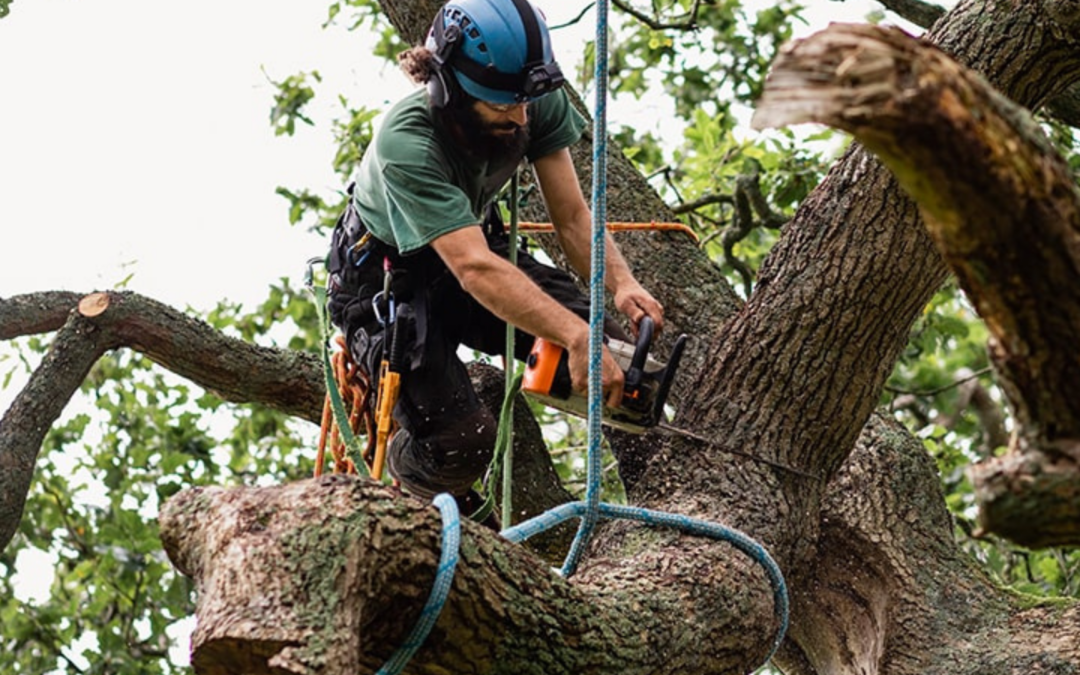
When major tempests hit, the resultant conditions may leave trees in dangerous states, endangering structures and security. Professional arborists play a vital role in immediate action, inspecting weather-damaged trees to determine their stability and health. With their skill, they can discern which trees can be salvaged and which present immediate dangers that require extraction.
Using professional equipment, tree experts are able to securely trim fractured limbs and clear debris, preventing subsequent injury to surrounding areas. They also provide valuable advice on risk mitigation, such as choosing sturdy types of trees for future planting.
In addition to immediate response, tree specialists assist clients in grasping the potential long-term effects of storm damage, offering guidance on recovery and rehabilitation. Through quick and effective action, certified tree experts safeguard assets but also help in the renewal of the local environment following major weather events.
Tree Nutrition and Ground Care
After the devastation caused by storm damage, focus shifts to the health of remaining trees, highlighting the significance of nutritional support and earth maintenance. A certified tree specialist evaluates ground quality and tree vitality to ascertain exact dietary needs. Trees must have vital elements, like nitrogen, phosphorus, and potassium, to heal and grow strong after stress events.
Earth maintenance plays an essential role in nutrient availability and the growth of roots. Arborists may recommend ground improvements, like organic matter, to boost the ground's composition and microbial activity. Proper pH levels are also assessed, as they affect nutrient uptake.
Applying mulch can help the soil hold water and suppress weeds, making a suitable condition for trees to heal. Through the creation of a comprehensive nutrient strategy and applying successful ground care techniques, arborists ensure trees regain strength, resilience, and total well-being, a factor essential to maintaining a balanced ecosystem after ecological disruptions.
Frequently Asked Questions
What is the Recommended Inspection Frequency?
Trees should be checked once a year for optimal condition. However, more regular inspections may be necessary for younger trees, after severe weather events, or if they show signs of stress or sickness.
What Qualifications Should I Look for in an Arborist?
In your search for a tree expert, one should look for credentials such as ISA (International Society of Arboriculture) accreditation, applicable work history, proper liability insurance, and a solid name locally, guaranteeing skill in arboriculture and safe procedures.
Are There Specific Tools Arborists Use for Tree Care?
Arborists use various specialized tools for tree care, like chainsaws, pruning shears, climbing gear, and stump grinders. Every piece of equipment has a distinct function, allowing for proper upkeep, pruning, and removal of trees and boosting total well-being and safety.
In What Ways Does the Weather Impact Tree Health?
Weather conditions greatly impact tree health; excessive rain can lead to root rot, while drought stresses trees. Temperature extremes may cause damage to leaves and branches, ultimately affecting growth, sturdiness, and total vitality of the trees.
Am I able to care for my trees personally, or Is it better to hire an expert?
While some basic tree care tasks are manageable by homeowners, calling in a specialist is frequently the best option - Florence Arborist. Specialists are equipped with unique expertise and gear, making certain the trees obtain the appropriate care required for optimal development and health